
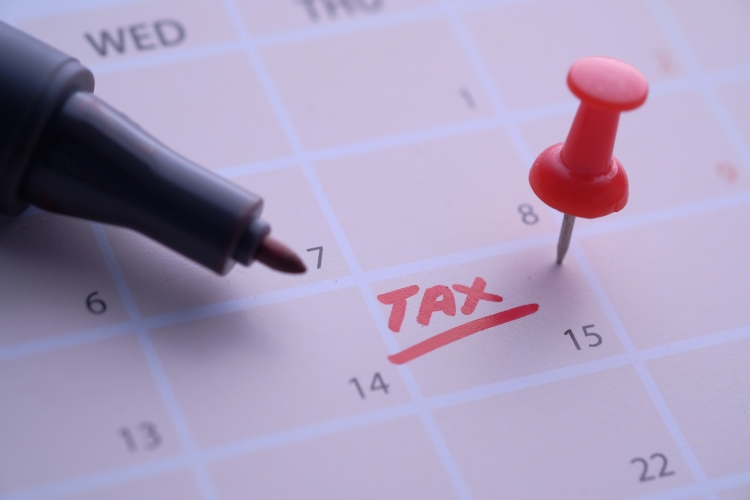
Regardless of when you actually file your return, taxes owed are due to the IRS by April 15th. The tax attorneys and CPAs at Moskowitz LLP can help you understand what you need to do by April 15, 2026.
The Internal Revenue Code requires that taxpayers both file their return and pay their taxes for the previous year by April 15th of the current year. The law allows you to request an extension of six months, so you can file your tax return later if you choose. This extension only extends your obligation to file a tax return, and it does not give you an extension of the time to pay your taxes.
Tax issues do not go away on their own, so it is essential that you are proactive. The first step that you can take to help in your situation is to schedule a quick appointment with the tax attorneys and CPAs at Moskowitz LLP.
An Extension Only Gives You More Time to File, NOT More Time to Pay
Many people mistake an extension of the time to file a tax return with the IRS by April 15th with an extension of their time to pay income taxes. These two obligations are related yet separate. No matter when you actually file your return, you must pay any taxes that you owe to the IRS by April 15th of each year, unless required earlier (or the next business day when that date falls on a weekend or holiday).
If you fail to pay your taxes when you owe money to the IRS, you are still subject to penalties and interest being assessed on the amount of taxes that you owe. Internal Revenue Code Section 6651 states that the IRS will impose a failure to pay penalty for taxes that are not paid by the deadline. This penalty is .5% for each month that the taxes are not paid, up to a maximum of 25%. In addition, the IRS will apply a statutory interest rate (which is currently set at 7%) that compounds daily. The combination of interest and penalties can greatly increase the amount you owe.
Always Seek an Extension to File to Avoid Additional Penalties
Nevertheless, if you are unable to file a tax return when you owe money, you should still file an extension with the IRS. The consequences of not filing a tax return on time are even more dire for the taxpayer. The penalty for failure to file is ten times greater than the failure to pay penalty on a monthly basis. You are looking at an additional penalty of 5% per month up to 25% of the total amount of taxes that you owe, plus interest. By filing a request for an extension, you would avoid this penalty if you are able to file within the six-month window.
Try to Make an Estimated Tax Payment if You Can
Even if you are not in a position where you can file a tax return, you should still do whatever you can to estimate the amount of taxes that you owe and make a payment to the IRS by April 15th. So long as you pay 90% of the overall amount of money that you owe the IRS, you will be able to avoid any penalties for underpayment (although you must still pay interest on any additional amounts you owe), unless your taxes were due earlier, which they often are, but that will be the subject of a different blog. You can use the following to come up with an estimate of what you need to pay:
- Your best estimate of your last year’s income
- Your prior year’s tax return as a baseline for your calculations
- The amount of federal taxes that were withheld from your check
- Any deductions and credits to which you believe that you are entitled
In this scenario, you will be able to avoid penalties and interest on the money that you have paid, that was due by April 15th. If you owe more money to the IRS, you would still need to pay interest and penalties on that amount. Nevertheless, you can reduce the financial hit that you would otherwise take by owing taxes. Conversely, if you make an estimated payment, and you subsequently learn that you overpaid taxes, you can either receive see a refund of that overpayment or have it credited to your estimated taxes for the next year, which is often a good idea for many people.
Filing your extension now, even if you owe money and cannot pay yet, also opens up options that you may have to either gain more time to pay or settle with the IRS for a lower amount than what you owe in taxes.
Reach Out To A Tax Preparation Professional
You do not have to panic about filing a tax return, or even if you are in debt to the IRS. The tax attorneys and CPAs at Moskowitz LLP can help you work through your tax problems, taking a proactive approach to your issues. Schedule an appointment with a tax tax attorney or CPA by visiting our website or by calling us today at 888-TAX-DEAL (888-829-3325).